Hydration · Posted · Updated · By the Elevate team
Keto diet dehydration: why it happens
The short answer Cutting carbs makes your body let go of water. With less insulin, your kidneys pass more water and sodium, and the stored carbs (glycogen) your body burns through were holding water too. That's why thirst, headaches and tiredness are so common in the first weeks of keto.
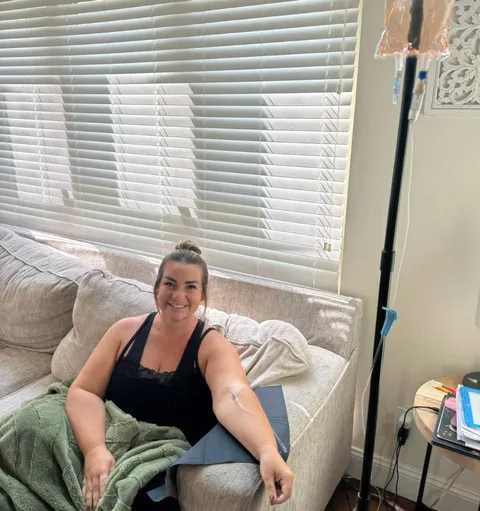
Almost everyone switching to a ketogenic diet runs into it. When your body moves from burning carbohydrates to burning fat, it handles fluids and minerals differently, and many people feel tired, get headaches or are constipated in the first days or weeks. A lot of that comes down to dehydration and low electrolytes rather than the switch itself. Some people also notice changes in sleep, breath with an acetone smell, and an upset stomach while they adjust.
Here's why it happens, what to watch for and how to stay ahead of it.
What causes dehydration on a keto diet?
Two things do most of it: lower insulin and emptier glycogen stores. A third, ketones, adds a little more.
Less insulin, more water out
Eating fewer carbs means your body makes less insulin. Lower insulin tells your kidneys to let go of more water and sodium, so you pass more urine, especially in the first week. That's also why the scale drops fast at the start: much of it is water weight, not fat.
Glycogen runs out
Your body stores carbs as glycogen, and each gram of glycogen holds about 3 to 4 grams of water. As keto uses up those stores in your liver and muscles, the water bound to them leaves too.
Ketones
As your liver makes ketones for energy, they can add a little to the fluid you lose and shift your electrolyte balance. In nutritional ketosis, blood ketones usually sit between 0.5 and 3.0 millimoles per liter. Ketones are also why some people's breath picks up an acetone (nail-polish) smell.
Signs you're dehydrated on keto
Catching it early makes it easier to fix. Watch for these.
In your body
- Thirst and a dry mouth: often the first sign.
- Tiredness and weakness: your energy drops and it's harder to stay alert.
- Headaches: mild to bad, often in the morning.
- Constipation: less water slows digestion.
- An upset stomach: nausea or cramping.
- Bad breath: the acetone smell from ketones.
- Aches: general aches and discomfort.
Signs your electrolytes are low
- Muscle cramps or spasms
- A racing or pounding heartbeat (palpitations)
- Dizziness when you stand up
- Brain fog or feeling confused
- Irritability and mood changes
- Poor sleep
Everyone's different, and these overlap with what people call the "keto flu", so it can be hard to tell what's behind them. If you have epilepsy or another health condition, or take regular medicines, get your doctor's advice before you start keto.
How much water should you drink on keto?
More than the usual eight glasses for most people. A common keto rule of thumb is 12 to 16 cups of fluid a day while your body adjusts, because the first weeks are when you lose the most.
How much you need depends on:
- How active you are and how hard you train
- The weather and where you are
- Your health, and any medicines you take, GLP-1 medicines included
- Your body size
- How long you've been on keto
- What you eat, and how varied your meals are
Keeping track through the day helps, with an app or a simple note. The easiest check is the color of your urine: pale yellow usually means you're keeping up.
Electrolytes on keto
Water is only half of it. Keto also changes the minerals your body holds on to, and low electrolytes are a big part of what people call the keto flu. These are the four to watch, with the daily amounts keto guides usually give. Your own doctor can tell you what's right for you.
Sodium
About 2,000 to 3,000 mg a day on keto, more than many people aim for on other diets. From sea salt, broth and salty foods. Sodium helps your body hold on to water and keep your blood pressure steady.
Potassium
About 3,000 to 4,000 mg a day. From leafy greens, avocados, nuts and vegetables. Your muscles and your heart rhythm depend on it.
Magnesium
About 300 to 400 mg a day. From dark chocolate, nuts and seeds. It helps your muscles relax, and low magnesium is often behind cramps.
Calcium
About 1,000 mg a day. From dairy, leafy greens and some vegetables. For your bones and your muscles.
Many people on keto take an electrolyte supplement or build their meals around these foods. If symptoms are hard to manage on your own, a professional can help you work out a plan.
Natural ways to stay hydrated on keto
Start the day with water
A big glass of water with a pinch of sea salt first thing replaces some of the sodium you lose overnight. Some people add a squeeze of lemon.
Eat hydrating foods
Plenty of keto-friendly foods carry water too:
- Cucumbers (about 95% water)
- Leafy greens like spinach and lettuce
- Zucchini and summer squash
- Broccoli and cauliflower
- Avocados, for water and healthy fats
- Berries, in small amounts
Drink smart
- Unsweetened coconut water: natural electrolytes.
- Bone broth: sodium, potassium and magnesium.
- Herbal teas: they count toward your daily fluids.
- Infused water: cucumber, lemon or mint for a change.
Make a hydration plan that lasts
Track it
Keep an eye on both water and electrolytes, with an app or a simple log. Most people underestimate what they need, especially in the first month.
Spread it out
Sip through the day instead of drinking a lot at once. It's easier on your stomach.
Listen to your body
Pale yellow urine and steady energy are good signs. Drink more when you're more active, when it's hot, or when you just feel off. Some people find a strong acetone smell on their breath is a sign to drink more.
Plan for the hard days
Drink more before, during and after:
- Workouts
- Hot weather
- Travel days
- Being sick or stressed
- Medicines that affect your fluid balance
When people book IV hydration on keto
Most people manage keto dehydration with water, salt and food. Some book an IV when drinking more isn't keeping up, most often in the first weeks. The times people on keto book a drip:
- They're still tired even though they're drinking plenty
- Headaches or dizziness that won't let up
- Muscle cramps that supplements haven't sorted out
- Nausea that makes it hard to keep fluids down
- An upset stomach
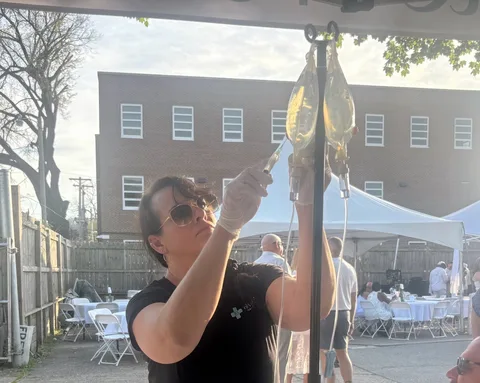
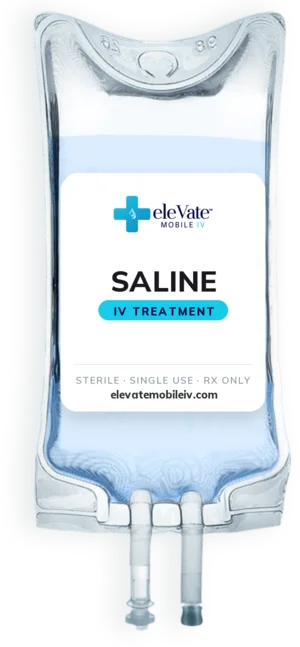
An IV puts fluid straight into a vein, so it doesn't wait on your stomach. For plain fluids, our nurses' pick is The Saline: Normal saline, with add-ons if you want them. Magnesium is one of the add-ons from our menu that can go in the same bag. If you'd rather have vitamins and minerals in it too, the Myers' Cocktail is Vitamin C, Glutathione, Zinc, Magnesium, B Complex, B12.
Every visit starts with your nurse going over your health history and checking your vitals, and your nurse may advise against an IV. If your symptoms are severe, see a doctor. More on dehydration in our page on dehydration, and in Chronic Dehydration Symptoms Most People Ignore.
Long-term hydration on keto
As your body gets used to running on fat, your hydration needs usually settle. Many people find that after 4 to 6 weeks they know what they need and it's easier to keep up. The habits you build in the first weeks are what carry you.
Keep an eye on fluids and electrolytes anyway, and adjust when life changes: a new workout, a hot summer, a trip. If the acetone breath sticks around, regular brushing and gum care help. Whether your water comes from a glass, from your food or from an IV now and then, staying hydrated keeps your energy steady and keeps the uncomfortable parts of keto from derailing you.
Behind on fluids? Every day, 8 AM to 8 PM, in Southern West Virginia, Morgantown, Wheeling and Pittsburgh.